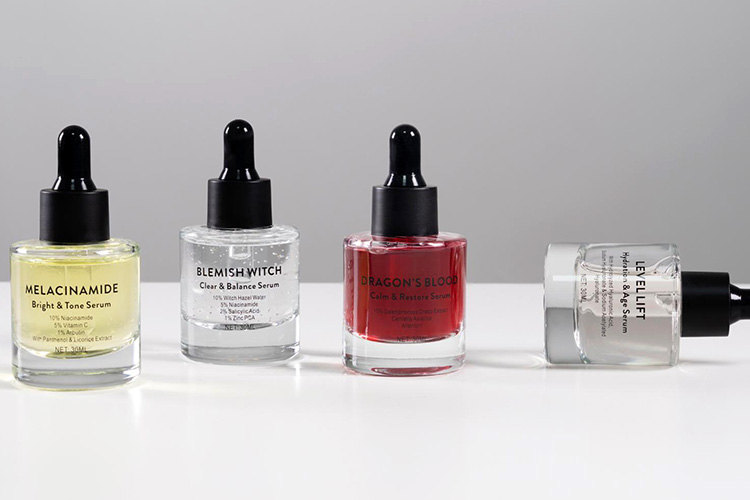
What to expect from winter skin?

A “winter skin” typically refers to skin that becomes dry, flaky, irritated or even cracked during the colder months due to environmental factors like cold air, wind and indoor heating. Here’s what it might look like and how to manage it.
What Winter Skin Looks Like
Dryness: The skin may feel tight or rough, especially on the face, hands, and legs.
Flakiness: Dry patches or peeling skin can occur, particularly on areas exposed to the cold.
Redness: Some people experience redness or irritation, especially on the cheeks and nose.
Tightness: The skin may feel uncomfortable or “pulled”, especially after cleansing.
Cracking or Chapping: In severe cases, skin can crack, especially on lips, hands, and around joints.
How to Keep Winter Skin Under Control
Moisturize Often: Choose thick, rich moisturizers that are formulated for dry skin. Look for ingredients like hyaluronic acid, glycerin, or ceramides to help lock in moisture.
Gentle Cleansing: Avoid harsh soaps or hot water when washing your skin. Use a gentle, hydrating cleanser to prevent stripping your skin’s natural oils.
Hydrate Internally: Drink plenty of water to keep your skin hydrated from within. Even in winter, staying hydrated is crucial.
Use a Humidifier: Indoor heating can dry out the air. Using a humidifier can help maintain moisture in your environment, which can benefit your skin.
Sunscreen: Even though it’s colder, UV rays can still damage your skin in winter, so don’t skip sunscreen, especially on exposed areas.
Protective Clothing: Wear gloves, scarves, and hats to shield your skin from harsh wind and cold temperatures.
Exfoliate Gently: While exfoliating can help remove dead skin cells, be careful not to overdo it. Too much exfoliation can further irritate dry winter skin.
By using extra hydration, such as a rich moisturizer or hydrating cream, you can help lock in moisture, protect your skin’s natural barrier, and keep it soft and nourished. This extra step helps to prevent dryness, flakiness, and redness, ensuring your skin stays healthy and comfortable throughout the colder months.
By taking these steps, you can maintain healthy, comfortable skin throughout the winter months.