How Does Pigmentation Develop?

Pigmentation occurs when there is an overproduction of melanin, the pigment responsible for the color of your skin. Several factors can trigger this process, including sun exposure, hormonal changes (such as during pregnancy or with birth control), acne scarring, or aging. UV rays are one of the biggest culprits, as they stimulate melanin production, leading to dark spots or uneven skin tone.
What Can You Do About It?
The good news is that pigmentation can be treated and managed with the right approach. A combination of professional treatments and a consistent at-home skincare routine is key to reducing pigmentation and achieving a more even complexion.
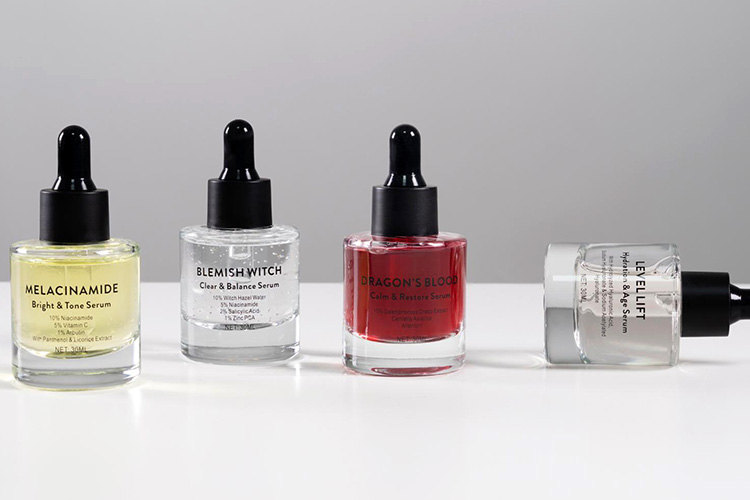
At The Next Skin, we offer a range of products suitable for all skin types, designed to target pigmentation and support your skin’s health. With ingredients like Vitamin C, niacinamide, and exfoliating acids, our products work to brighten the skin, reduce dark spots, and protect your skin from further damage.
Treat in the Clinic, Care at Home
While professional treatments such as chemical peels or laser therapy can be effective for reducing pigmentation, maintaining your results at home is just as important. With the right products, you can continue to care for your skin, prevent future pigmentation, and keep it protected with daily sunscreen.
Our products are tailored to meet the unique needs of your skin, helping to fade existing pigmentation and guard against future damage. Protect your skin, reduce pigmentation, and enjoy a more radiant complexion with The Next Skin.